BLOG
POPULAR ARTICLES

/
BLOG
Polypropylene Woven Bags: Complete Manufacturing Process of Plastic Packing Bags in India
28 November, 2025
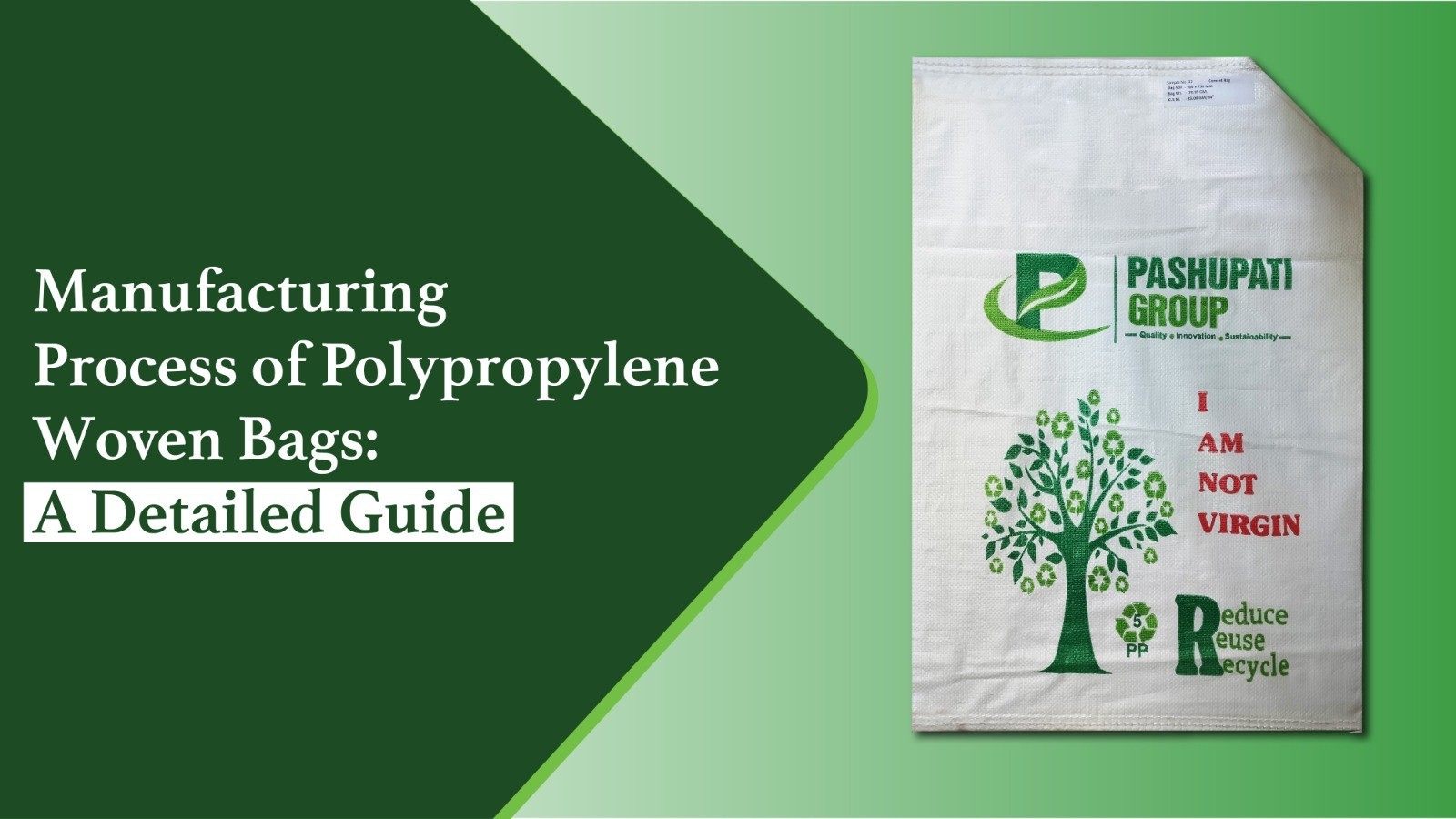
Polypropylene woven bags sit at the core of bulk packaging and plastic packing bags for fertiliser, cement, food grains, sugar, animal feed, and countless other commodities in India.
These plastic packing bags are widely preferred because a single polypropylene woven bag can hold 25 kg, 50 kg, or even higher loads without tearing.
High tensile strength, lightweight structure, and moisture resistance make polypropylene woven bags one of the most reliable plastic packing bags for industrial use. From agriculture to construction, these plastic packing bags ensure safe storage and transportation.
A leading polypropylene woven bags manufacturer like Pashupati Group treats every bag as engineered packaging rather than just stitched plastic packing bags. Below is the complete manufacturing journey.
Step 1: Raw Material Feeding and Extrusion for Polypropylene Woven Bags
The process of manufacturing polypropylene woven bags begins with polypropylene resin. Virgin PP, recycled PP, or a controlled blend is used to produce durable plastic packing bags.
The material is melted at 260–300°C and converted into a thin sheet, which is then cooled and slit into narrow tapes. These tapes are stretched to improve tensile strength—this is what gives polypropylene woven bags their load-bearing capacity.
Consistency at this stage is critical. Any variation in tape quality directly affects the strength of plastic packing bags, leading to weak zones or seam failures.
Step 2: Circular Weaving of Plastic Packing Bags
The stretched tapes are woven into fabric using circular looms. This step creates the base material for polypropylene woven bags.
The weaving density (picks per inch) determines the strength and durability of plastic packing bags. Higher density ensures stronger polypropylene woven bags suitable for heavy-duty industrial applications.
These woven rolls form the backbone of all plastic packing bags—strong, flexible, and lightweight.
Step 3: Laminated and Unlaminated Polypropylene Woven Bags
Polypropylene woven bags are available in two main types:
Unlaminated Plastic Packing Bags
- Allow breathability
- Used for grains and animal feed
Laminated Plastic Packing Bags
- Coated with PP or LDPE film
- Prevent moisture ingress
- Ideal for cement, fertilisers, and chemicals
Lamination improves print quality and durability, making these plastic packing bags suitable for branding and long-distance transport.
Step 4: Printing and Branding on Polypropylene Woven Bags
Printing is a crucial stage in plastic packing bags manufacturing. Flexographic printing is widely used to print logos, product details, and regulatory information on polypropylene woven bags.
High-quality printing ensures:
- Strong brand visibility
- Clear product communication
- Better market presence
For large-scale manufacturers, polypropylene woven bags often include multi-language printing to serve different regions across India.
Step 5: Cutting, Stitching, and Finishing of Plastic Packing Bags
The woven fabric is cut into required sizes (typically 600–1100 mm). Heat cutting prevents fraying, ensuring durability of plastic packing bags.
Key finishing features in polypropylene woven bags include:
- Valve bags for cement
- Gusseted bags for better stacking
- Liners for moisture protection
- Easy-open systems
Strong stitching ensures that these plastic packing bags can handle heavy loads without failure.
Step 6: Quality Control of Polypropylene Woven Bags
Every batch of polypropylene woven bags undergoes strict quality checks to ensure performance.
Key tests include:
- Tensile strength
- Seam strength
- Drop test (50 kg load)
- UV resistance
- Print durability
Consistent quality ensures that plastic packing bags perform reliably during transport and storage.
Scale, Sustainability, and Demand for Plastic Packing Bags
Demand for polypropylene woven bags and plastic packing bags continues to grow in India due to:
- Expanding agriculture sector
- Cement and infrastructure growth
- Increasing industrial packaging needs
Sustainability is another major advantage. These plastic packing bags can be reused multiple times and recycled into new polypropylene products, reducing environmental impact.
Why Pashupati Group for Polypropylene Woven Bags
Pashupati Group is a trusted name among polypropylene woven bags manufacturers in India, offering complete control from raw material to finished plastic packing bags.
Key strengths:
- Integrated manufacturing process
- High-quality polypropylene woven bags
- Custom plastic packing bags for multiple industries
- Advanced printing and finishing capabilities
The company produces polypropylene woven bags and plastic packing bags tailored for fertiliser, cement, agro-products, and industrial use.
Conclusion
Polypropylene woven bags are more than just plastic packing bags—they are engineered solutions designed for strength, durability, and efficiency.
From extrusion to weaving, lamination, printing, and stitching, every stage plays a vital role in creating high-performance plastic packing bags.
Choosing the right polypropylene woven bags manufacturer ensures consistent quality, better durability, and reliable packaging performance across industries.
Polypropylene Woven Bags FAQs
1. What are polypropylene woven bags?
Polypropylene woven bags are durable plastic packing bags made from woven PP tapes, designed for bulk packaging of materials like cement, fertilisers, and food grains.
2. What are plastic packing bags used for?
Plastic packing bags are widely used in industries such as agriculture, construction, food, and chemicals for safe storage and transportation of bulk goods.
3. What is the difference between PP woven bags and HDPE bags?
PP woven bags offer higher flexibility and strength, while HDPE bags are stiffer and lighter. Both are used as plastic packing bags depending on the application.
4. What sizes are available in polypropylene woven bags?
Polypropylene woven bags are commonly available in 25 kg, 50 kg, and customized sizes based on industry requirements.
5. Are polypropylene woven bags waterproof?
Laminated polypropylene woven bags are moisture-resistant and protect contents from water, making them ideal plastic packing bags for cement and fertilisers.
6. Can polypropylene woven bags be reused?
Yes, polypropylene woven bags are reusable and can often be used multiple times before recycling, making them cost-effective plastic packing bags.
7. Are plastic packing bags recyclable?
Yes, most plastic packing bags made from polypropylene can be recycled and reprocessed into new products.
8. What industries use polypropylene woven bags?
Industries such as agriculture, cement, chemicals, food processing, and animal feed widely use polypropylene woven bags.
9. What is laminated vs unlaminated plastic packing bags?
Laminated plastic packing bags have an extra coating for moisture protection, while unlaminated bags allow breathability for products like grains.
10. How strong are polypropylene woven bags?
Polypropylene woven bags have high tensile strength and can carry heavy loads (25–50 kg or more) without tearing.
11. What printing options are available on plastic packing bags?
Plastic packing bags can be printed using flexographic printing with multiple colors, logos, and product details.
12. What is the manufacturing process of polypropylene woven bags?
The process includes extrusion, tape stretching, weaving, lamination, printing, cutting, stitching, and quality testing.
13. What are the benefits of using plastic packing bags?
Plastic packing bags offer durability, moisture resistance, lightweight handling, cost efficiency, and reusability.
14. Can polypropylene woven bags be customized?
Yes, polypropylene woven bags can be customized in size, GSM, color, printing, lamination, and stitching based on requirements.
15. How to choose the right polypropylene woven bags manufacturer?
Choose a manufacturer with strong quality control, advanced machinery, customization capability, and experience in producing industrial plastic packing bags.
FAQ's
RECENT BLOGS
 (Large).jpg)