BLOG
POPULAR ARTICLES

/
BLOG
Applications of Recycled PP Granules to Support Plastic Manufacturing
18 February, 2026
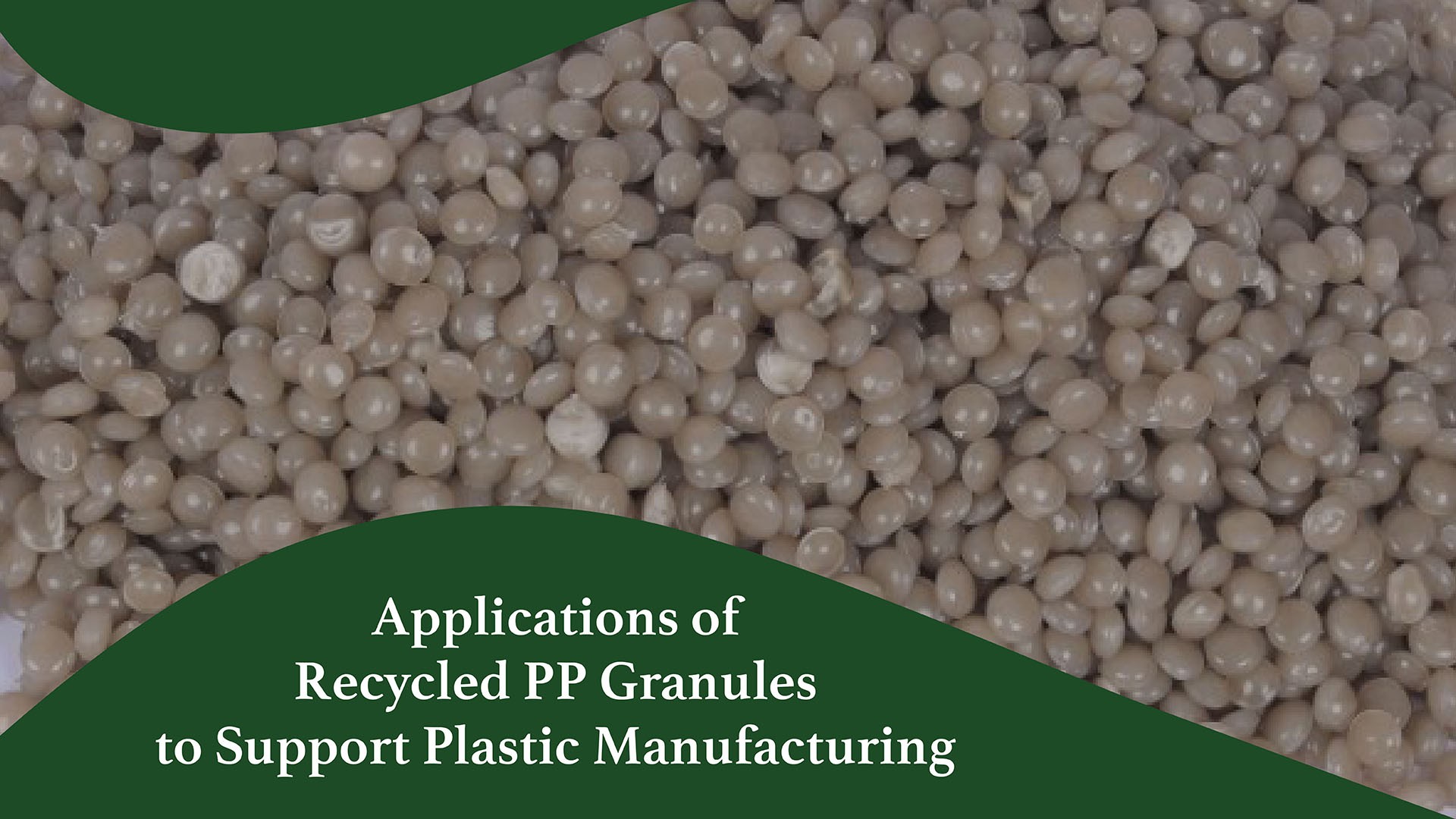
Recycled PP granules have become a purposeful feedstock across many plastic product lines. Polypropylene suits factory use for toughness, chemical resistance and shape retention. Recycled PP granules bring those traits into products built around recovery and reuse.
Pashupati Group supplies recycled polyolefins granules for molding, film and woven product lines. Sorting and cleaning steps, along with filtration during processing, are used to support stable output and cleaner material for conversion. This focus on consistency supports repeatable outcomes across common conversion routes.
What rPP Granules Bring to a Production Line
rPP granules typically deliver a workable blend of rigidity and impact performance for durable goods. Low density supports lightweight part design. A major advantage comes from how easily recycled PP fits into existing production setups. Many molds, line settings and cycle patterns can stay close to typical PP runs, which makes trials and approvals more straightforward.
Recycled feedstock shifts between lots, so raw input control and steady processing matter. Narrower swings keep runs stable and scrap easier to contain. Sorting, controlled compounding and filtration help tighten that spread so molding and extrusion settings stay steady. Melt flow control also supports smoother surfaces, predictable shrink behavior and stable packing pressure during molding cycles.
Conversion Routes that Pair Well with Recycled PP
Plastic manufacturing funnels PP pellets through a familiar set of processes. rPP granules can serve each route when grade selection matches end-use needs.
Injection molding supports housings, caps, closures, organizers and industrial components. Flow properties influence fill and cycle speed, so melt flow targets and filtration quality carry high importance.
Extrusion supports sheet, profiles and basic packaging formats. A stable melt helps hold gauge control and shape consistency, which improves downstream cutting and forming steps.
Raffia and woven conversion routes support tapes and woven packaging, where tensile behavior and split resistance matter. For raffia and woven formats, rPP granules are often selected to keep tape strength steady while still allowing controlled stretch during conversion.
Pashupati Group offers recycled polypropylene grades for injection molding and raffia, including impact copolymer options used when extra toughness is required.
Application Areas Inside Plastic Manufacturing
Packaging and Transit Protection
PP-based packaging spans crates, bins, corner guards and protective inserts used during transport. rPP granules suit these formats because stiffness and durability often carry more weight than high-gloss appearance. Reusable transit packaging benefits from impact resistance and fatigue performance in returnable logistics loops. In woven packaging, PP tapes and fabrics support sacks and industrial bulk handling formats, where strength-to-weight advantages matter at scale.
Consumer Goods and Home Products
Many everyday products rely on PP because it stands up to cleaners, repeated bending and routine wear. That makes it useful for household storage, utility items and practical consumer goods that get handled often. rPP granules can support this category when grade selection aligns with surface finish expectations and color requirements. Darker tones for recycled lines can help hold a consistent look across batches.
Appliances and Electrical Enclosures
Internal brackets, cable management parts and housings often rely on PP for balanced toughness and process speed. rPP granules can serve these parts when dimensional stability and strength targets align with grade capability. For electrical applications, additives and masterbatch choices play a large role in meeting heat, flame and insulation requirements, so compounding strategy matters as much as the base resin.
Automotive and Mobility Components
Automotive supply chains use PP across trims, battery covers, ducts and components in selected temperature zones. rPP granules can support interior and semi-structural parts when impact and odor targets are addressed through grade selection and processing controls. Part geometry and rib design also influence perceived stiffness and noise behavior, so material selection often pairs with design tuning.
Industrial Parts and Material Handling
Pallet elements, dunnage components, spacers and protective caps benefit from PP’s resistance to stress cracking and chemical exposure. rPP granules suit these high-throughput products, especially when the application values durability and repeatability over premium cosmetics.
How Grade Selection Shapes End-Use Performance
Recycled PP comes in stiffer grades and tougher grades. Selection often weighs melt flow, contamination, odor and filtration, since each one affects processing and part quality. Colorability also matters, since pigments and masterbatch compatibility affect final appearance.
Quality planning often includes simple checks that connect directly to processing outcomes: melt flow stability for cycle repeatability, contamination control for surface finish and mechanical testing for part integrity. These checks matter across recycled PP granules manufacturers, since end-product quality depends on a predictable incoming resin stream.
Processing and Compounding Levers that Improve Results
Process success usually comes from matching part requirements to the right grade and then holding steady operating conditions. Screen packs and melt filters support cleaner extrudate in sheet and profile lines. In injection molding, part quality often improves when the tool design supports smooth air release and steady flow into the cavity. Good venting and a sensible gate layout can reduce visible defects and help strengthen knit areas.
During compounding, additives can be used to steer stiffness, impact response and heat tolerance. Color matching and odor reduction can also be handled at this stage, which helps recycled material work better in consumer-facing products.
Related Recycled Streams in Integrated Manufacturing
Many processors run multi-polymer lines and shift feedstocks based on product mix. Alongside rPP granules, recycled PE formats often serve films and containers. For polyester-linked supply chains, rPET chips textile grade supports fiber and yarn applications and can align with broader circular material programs.
A Practical Role for Recycled PP in Modern Plants
rPP granules work across packaging, household items and industrial components. Better results follow when grade choice, incoming checks and shop-floor control match the end use. With recycled polyolefins granules produced for molded, film and woven applications, Pashupati Group positions recycled PP as a dependable input for manufacturers seeking repeatable performance and circular value.
FAQ's
RECENT BLOGS
 (Large).jpg)