BLOG
POPULAR ARTICLES

/
BLOG
From Recycled Water Bottles to New Products: How the Journey Works
25 February, 2026
A recycled bottle can return as packaging, textiles and durable industrial goods across multiple cycles. With rPET flakes, granules, yarn and fibre offerings, Pashupati Group positions recycled PET as a usable input for manufacturers building recycled products at scale.
The Bottle Stream Begins with Organised Collection
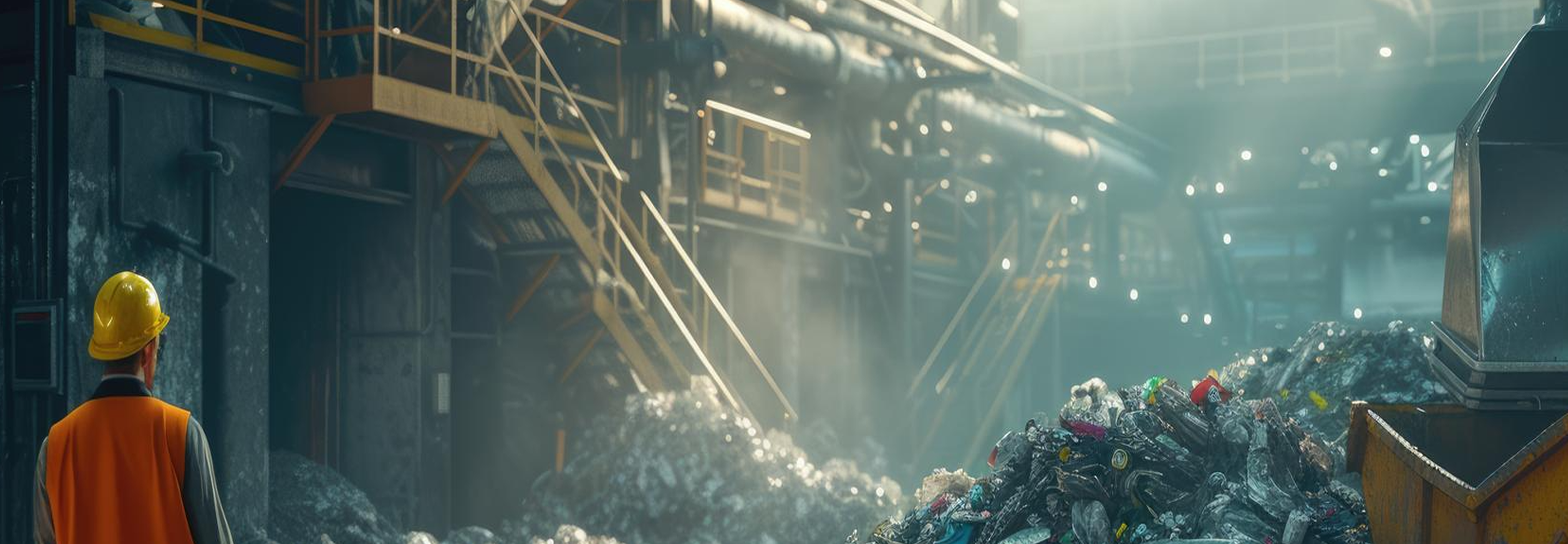
The journey to recycle plastic water bottles starts after consumption, when bottles enter collection channels. Informal recovery, municipal aggregation and organised partners each play a role in pulling PET into a usable stream. At consolidation points, material is sorted at a basic level, compacted into bales and moved to processing facilities. Clean separation at this stage improves yield and supports higher-grade output later, since PET flows best when it stays distinct from other polymers and mixed waste.
Scale matters because brands and converters plan production around steady volumes. Pashupati Group describes PET throughput reaching close to 15 million bottles per day, which helps maintain continuity for customers that require consistent recycled inputs.
Sorting and Preparation Shape the Quality
Once bales arrive, processing begins with de-baling and pre-sort checks. A blend of trained operators and optical sorting separates PET from metals, caps, labels and other plastics. The goal is a PET-rich feed that stays stable through the rest of the line. Pashupati Group outlines a contemporary processing sequence that includes pre-sort, automated sorting and diversion of materials before further steps move forward.
After sorting, bottles move into size reduction. Grinding converts bottles into flakes, which increases surface area and makes washing more effective. Washing then becomes the core of quality. A typical line uses staged cleaning that lifts residues, adhesives and fine contaminants, followed by separation methods that keep density and polymer purity within target ranges. The result is a consistent flake suited to different customer specifications.
Sorting Flakes to Remove Contamination and Degraded Material
After washing, flake-level sorting helps tighten purity and consistency before flakes move into downstream conversion. This stage removes residual contamination, improves visual uniformity and separates degraded material that can impact processing stability and final product performance.
Colour Sorter
Optical colour sorting identifies off-colour flakes and separates clear PET from tinted or discoloured pieces using high-speed cameras and targeted air ejection. This step supports cleaner aesthetics for packaging use and steadier shade control for yarn and fibre applications.
Size
Size classification separates flakes into consistent size bands using screens and sieving systems. More uniform flake sizing supports predictable drying, steadier feeding into extrusion and more consistent melting behaviour, which helps improve process stability and end-product consistency.
Light Flakes
Light flake removal uses air separation and aspiration to lift low-density carryover such as label fragments, foils, paper fines and lightweight mixed plastics. Removing light fractions improves PET purity and reduces unwanted inclusions that can affect appearance and filtration performance.
Metals
Metal removal captures both ferrous and non-ferrous particles through magnets, metal detectors and related separation systems. This protects processing equipment, reduces wear during extrusion and supports cleaner melt quality by reducing hard contaminants that can pass into the polymer stream.
UV Sorters
UV-based sorting adds another layer of control by detecting specific contaminant types and separating flakes that show signs of degradation. This supports more consistent conversion behaviour, steadier intrinsic viscosity control and improved reliability for applications that demand tighter quality windows.
From Flakes to Granules, Yarn and Specialised Inputs
Flakes function as a versatile intermediate. Some recycled product categories use flakes directly, while many applications require pelletising into granules or chips. Granules feed more evenly during processing, with steady flow through equipment and consistent melting behaviour, which helps conversion during extrusion and moulding. Pashupati Group lists rPET formats across flakes and granules, along with masterbatches, yarn and fibre options, giving brands more than one route for adopting recycled content.
Food-contact packaging brings additional requirements around testing and process discipline. Pashupati Group states its rPET flakes and granules are FDA-approved for 100% food contact, which supports use in food packaging applications.
How Recycled Water Bottles Become New Products
Once rPET reaches a stable form, converters and brands turn it into finished goods. The most visible route sits in packaging, where rPET granules feed preforms, bottles and containers. Packaging closes the loop when formats, labels and components are designed to stay recyclable at end of life.
Textiles take up significant volumes of recycled PET. rPET is spun into yarn and staple fibre used in apparel, home textiles and filling materials. Pashupati Group references recycled polyester staple fibre made from PET waste and post-consumer bottles, suited to soft goods that need durability and long service life.
Industrial applications extend the impact into logistics and manufacturing. rPET supports strapping and binding products that secure loads during handling and transport. It also supports extruded items such as sheets, profiles and components that require strength and dimensional stability. This is where water bottle recycling connects directly to everyday infrastructure, from packaged goods movement to durable manufactured parts.
Performance Relies on Consistency, Colour and Control
Recycled material performs best when control stays consistent from feedstock through to final output. Converters typically track intrinsic viscosity, moisture levels and melt flow so production runs stay stable across shifts and batches. Brands focus on appearance and colour consistency because packaging and textiles often carry high visibility in the market.
Pashupati Group’s writing on rPET highlights the rising importance of colour control as recycling volumes grow and rPET use expands across packaging and textiles. Masterbatches, filtration and robust quality checks help maintain a clean, repeatable colour profile while supporting performance targets across different applications.
Water Stewardship Inside Recycling Operations
Stable water recovery supports consistent washing performance, which helps keep rPET quality steady across batches. Consistent water quality supports consistent washing outcomes, which then supports stable rPET quality for converters downstream. Pashupati Group lists a target to increase water recycling rates to 90% by 2026, supported by post-production water recovery machines and rainwater harvesting across plant locations.
Product Design Keeps Material Circulating
Higher recycling outcomes start with design choices made at the packaging stage. Clear labelling, compatible components and PET-friendly caps, sleeves and adhesives make sorting easier and improve recovery. Cleaner inputs raise yield, improve purity and increase the share of PET that can move into higher-grade recycled products. Better input quality raises yields, improves purity and increases the share of material that can move into higher-grade recycled products.
Scale depends on three levers: reliable collection partnerships, processing capacity that delivers consistent rPET and product design that keeps PET recoverable after use. Water bottle recycling functions as a closed-loop supply route that helps maintain steady material availability and consistent performance for converters.
Read More: Eco-Friendly Recycled Polyester staple fibre of Pashupati Group
FAQ's
RECENT BLOGS
 (Large).jpg)