BLOG
POPULAR ARTICLES

/
BLOG
Recyclable PP Bags For Cleaner, Stronger Packaging Choices
15 December, 2025
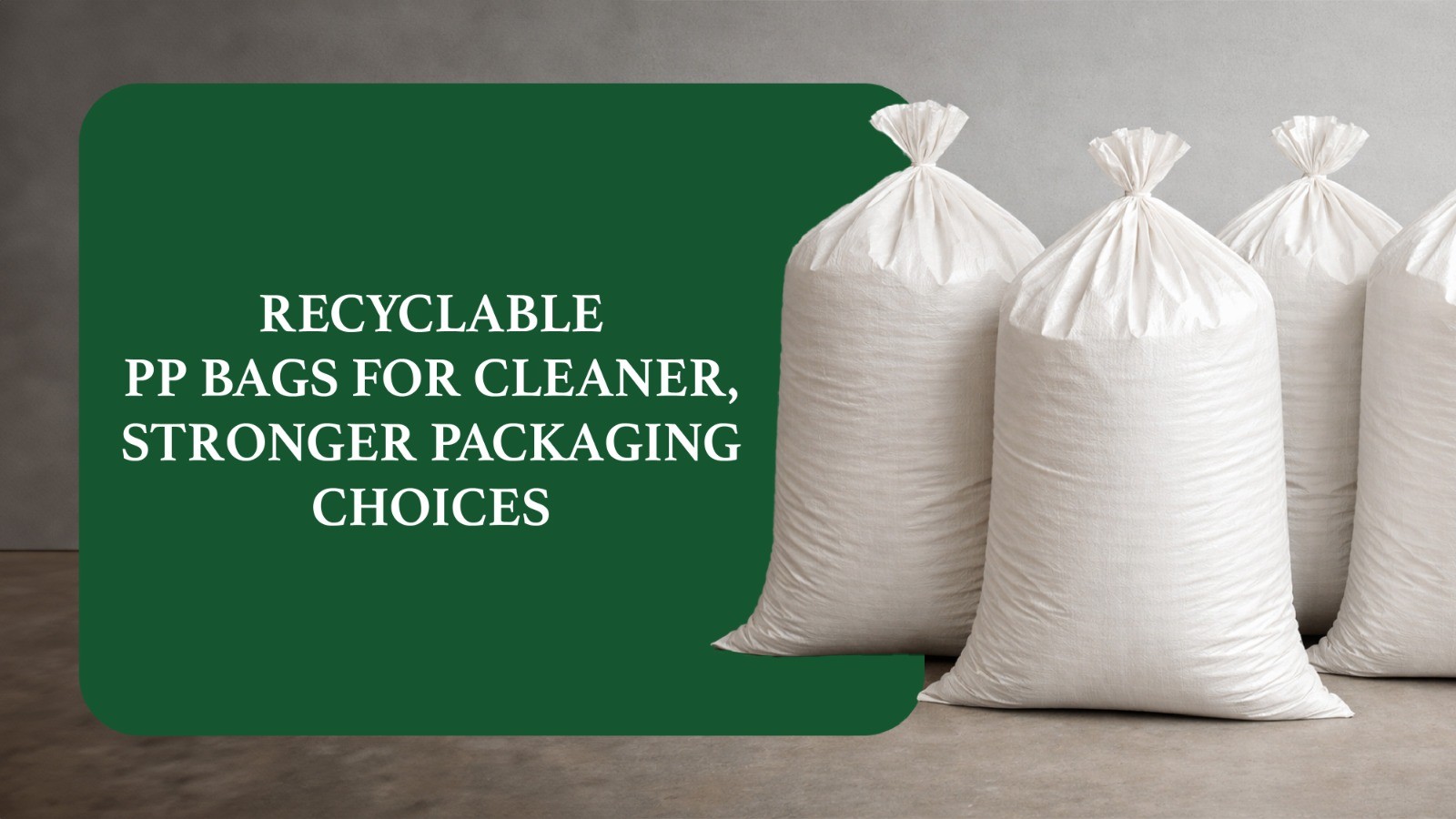
Sustainable packaging now sits at the centre of supply chains. Product protection, regulatory compliance and resource efficiency all matter. Polypropylene packaging bags, especially woven polypropylene (PP) bags, help meet these needs through strength, light weight and recyclability.
Polypropylene delivers high tensile strength at relatively low GSM and suits fertiliser, grain, cement, sugar, chemicals and many other bulk products. For a company like Pashupati Group that handles both recycling and packaging, polypropylene bags fit right into a circular economy setup. Recovered plastic turns into new raw material for fresh packaging solutions.
Why Polypropylene Packaging Bags Support Sustainability
Polypropylene packaging bags help with sustainability in several ways. This material comes from the polyolefin family. It provides good durability along with resistance to moisture and chemicals. In packaging uses, that leads to sacks and liners able to manage heavy loads during long trips.
From a sustainability viewpoint, polypropylene packaging bags provide three key benefits.
Material efficiency
High strength allows lighter bags to carry 25–50 kg of product. A PP bag with a fabric weight around 70–90 GSM often replaces heavier options and reduces packaging mass per tonne shipped.
Recyclable polymer
The material reprocesses easily into pellets and compounds. Those go toward new packaging items, textiles, and molded products. Pashupati Group deals with about three lakh tonnes of plastic each year through its recycling work. The company supplies r-polyolefin pellets and various recycled inputs to converters and brands.
Support for circular models
When bag design, inks and liners stay centred on polypropylene, collection and recycling programmes record higher recovery. Recycled PP from earlier use cycles returns to woven polypropylene (PP) bags and fabrics.
Inside Woven Polypropylene (PP) Bags
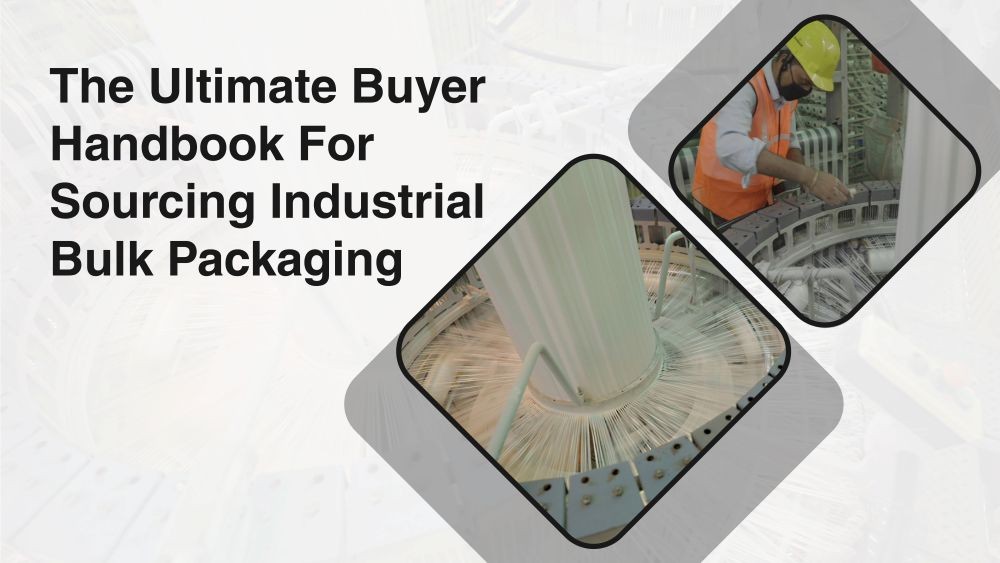
Woven polypropylene bags start out with PP polymer material. Workers extrude that polymer into thin tapes during the initial process. Next, they stretch those tapes carefully. Then the tapes go through weaving on circular looms. All of this creates a fabric that stays strong while remaining flexible enough for use. Lamination adds a thin film layer where extra protection from moisture or dust makes sense. Gusseting, valve construction, and stitching finish off the bag design.
Pashupati Laminators in Kashipur operates extrusion, weaving, and lamination lines. Those support around 35,000 tonnes per year in woven fabric and bag production capacity. Sister unit Salasar Techno Tex in Jaipur adds about 18,000 tonnes per year, giving the group significant combined PP woven fabric output for packaging markets.
This scale enables precise control of tape denier, weave pattern and GSM, laminated and unlaminated versions for different environments and flat or circular fabric formats for sacks, box bags, pallet covers and bale wraps. The result is woven polypropylene bags that align strength, stackability and barrier performance with real-world filling and distribution conditions.
Recyclable Design Across The Bag Life Cycle
Recyclable packaging really gets going right from the design phase. Polypropylene bags work well with mono-material setups in particular. That kind of construction makes collection and recycling much simpler down the line.
A typical life cycle for recyclable PP woven sacks covers four stages.
Manufacture
Polypropylene tapes come from a mix of virgin and recycled PP material. The same goes for the fabric, lamination film, and sewing yarn involved. Pashupati Group runs things as a producer focused on recycling efforts. They supply polyolefin pellets made from post-consumer waste. Those pellets feed directly into various packaging applications. Pashupati also backs up targets for higher recycled content overall.
Use in demanding applications
Laminated, unlaminated, valve-type and gusseted polypropylene bags serve agriculture, construction, food ingredients and retail supply chains. Fabric and stitching quality limit product loss and maintain pallet stability.
Collection and sorting
Clean post-industrial scrap from filling lines enters recycling streams directly. Post-consumer sack recovery grows through extended producer responsibility frameworks and collection networks, where clear polypropylene identification plays a key role.
Reprocessing
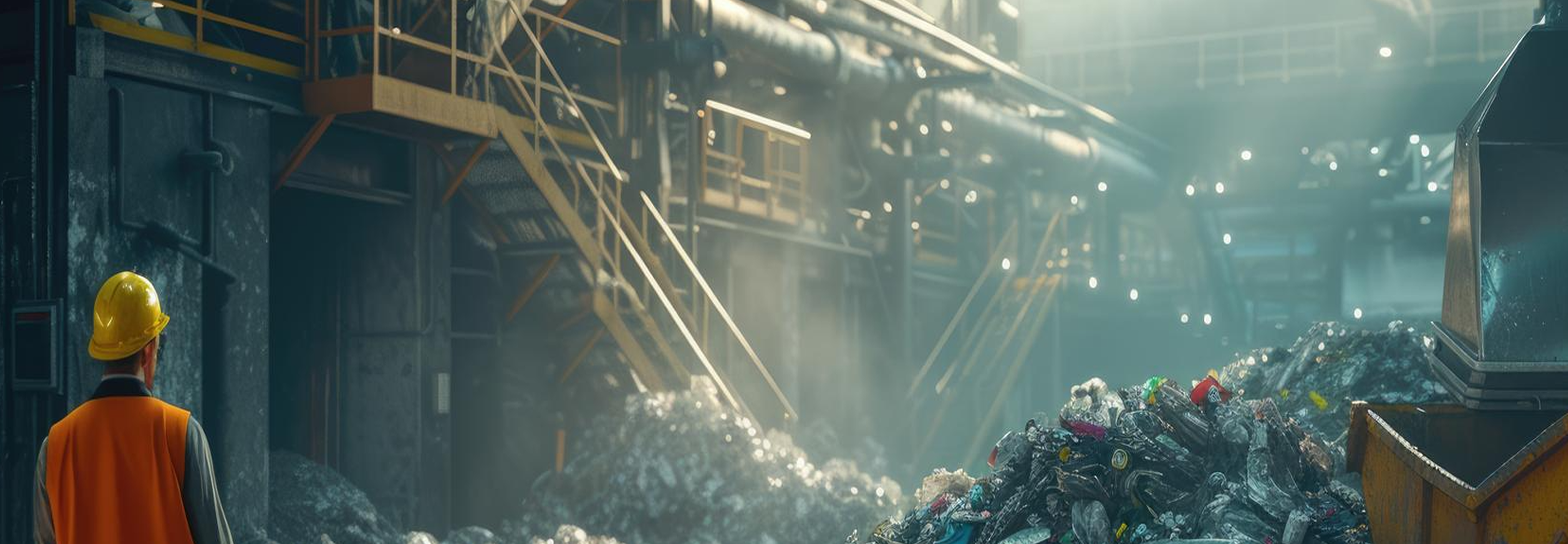
Recovered PP sacks pass through shredding, washing, drying and extrusion into pellets. Pashupati Group recycling infrastructure supplies r-polyolefin grades for packaging and non-packaging uses, turning earlier waste into feedstock for new polypropylene bags, flexible intermediate bulk containers (FIBCs) and allied products.
Alignment between recycling units and woven bag manufacturing strengthens material yield and lowers environmental impact per tonne of packaged product.
PP Woven Fabric Manufacturers In India And The Pashupati Approach
India hosts a wide base of PP woven fabric manufacturers in India for fertiliser, cement, foodgrains, sugar and chemical industries. Within this ecosystem, Pashupati Group holds a combined role as recycler and packaging producer.
Across eight manufacturing units in India, group processing capacity reaches about 3 lakh tonnes per year. Pashupati Laminators and Salasar Techno Tex together contribute over 53,000 tonnes per year of woven fabric capacity for bags, tarpaulin, FIBC and industrial wraps. Packaging programmes draw on a broad library of specifications covering fabric denier, weave styles, GSM, UV stabilisation, coating thickness, printing needs and handling features. Partnerships with resin producers help boost recycling of used plastics. They also ensure a steady supply of recycled polyolefins for packaging needs.
This integrated method lets Pashupati Group connect material recovery to designs focused on performance. It ties into large-scale manufacturing abilities for polypropylene bags.
Practical Criteria For Choosing Polypropylene Bags
Selection of polypropylene packaging bags gains strength from a simple checklist.
Product characteristics
Bulk density, particle size, oil or moisture content and sensitivity to light influence fabric GSM, lamination requirements and seam configuration.
Handling and logistics
Route length, pallet height, stacking patterns and handling equipment shape choices around fabric strength, UV protection and bag dimensions.
Regulatory and hygiene expectations
Food ingredients call for tight controls on raw materials. The same holds for feed and pharmaceutical items. That includes watching printing inks closely. Processing conditions need strict oversight too. Still, strategies built around recycled content manage to meet all those high standards. They rely on traceable sourcing from reliable recyclers.
Sustainability metrics
Targets such as recycled content percentage, landfill diversion and carbon intensity guide specification work. Collaboration with experienced PP woven fabric manufacturers in India, including Pashupati Group, aligns these metrics with industrial reality.
Towards A Circular Future For Industrial Packaging
Polypropylene packaging bags play a key part in logistics across India and worldwide. They carry huge volumes of essential materials every year. When bags designed for easy recycling, come from efficient PP woven fabric processes, and link to solid recycling setups, they shift from one-time use to parts of a circular materials system.
Pashupati Group keeps investing in recycling tech, woven fabric capacity, and packaging designs based on specific needs. In a way, this shows how recyclable PP bags lead to cleaner operations. They protect important products too. Overall, they help build a more sustainable path for industry.
FAQ's
RECENT BLOGS
 (Large).jpg)