BLOG
POPULAR ARTICLES

/
BLOG
Why Recycled HDPE Granules Are a Smart Choice for Manufacturing
30 March, 2026
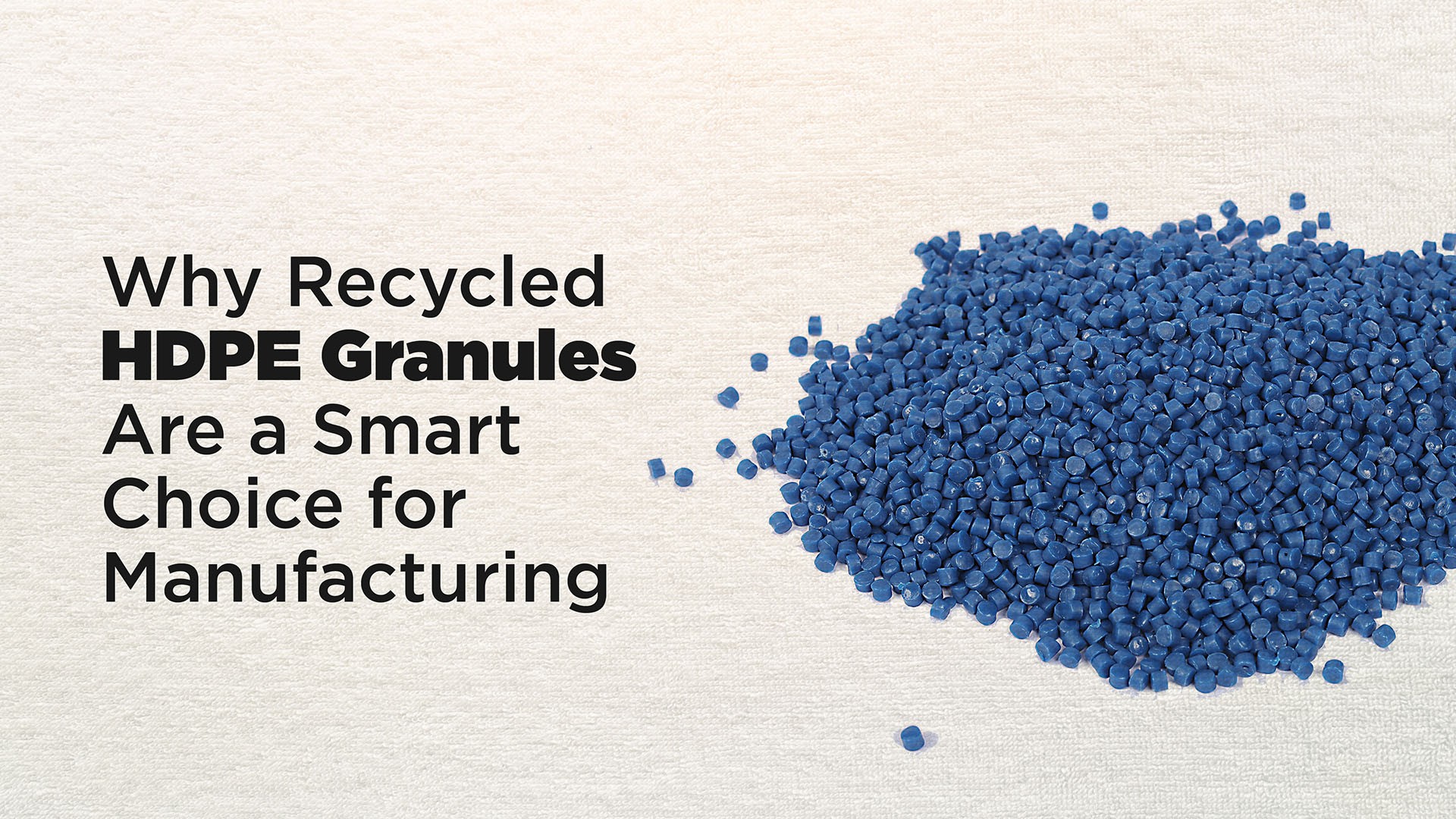
Material choice is one of those decisions that quietly affects everything in manufacturing. It shows up in cost sheets, in how smoothly production runs and in how the final product performs once it leaves the factory. For teams working with durable plastics, HDPE has been a familiar option for years.
Now, recycled HDPE granules are becoming part of that same conversation. Not as a replacement driven by trend, but as a practical option that fits into existing processes when handled correctly. For many buyers, this means working with a recycled HDPE granules manufacturer in India like Pashupati Group that can supply consistent material suited to real production conditions. The conversation has moved well beyond simple material substitution. It now includes process stability, procurement planning, environmental positioning and product-market expectations.
Strong Versatility Across Applications
Recycled HDPE works across a wide range of everyday applications. You see it in bottles, caps, crates, containers, pipes and several molded parts used in both industrial and consumer settings. This flexibility matters because manufacturers often prefer materials that do not limit what they can produce.
Using recycled grades allows them to continue working within the same material family while making better use of available resources. It keeps production familiar while opening up more responsible sourcing choices.
Better Cost Efficiency in Production
The second major benefit lies in cost efficiency. Resin strategy always affects margins. When manufacturers source quality recycled material, they often gain a more balanced input-cost structure for suitable applications. That can support healthier planning across high-volume production runs. Material cost plays a steady role in how production is planned.
When recycled HDPE is used in suitable applications, it can help balance overall input costs. This becomes more noticeable in large production volumes where small differences add up over time. That room can then be used for other priorities within the business, whether that is improving processes, refining products or expanding output capacity.
Reliable Processing Performance
Commercial value only matters when the material performs well in production. This is where quality recycled resin earns its place. Good recycled material supports smooth feeding, predictable melt behaviour and cleaner conversion in the right application. That means fewer surprises on the line and more confidence in output consistency.
Among widely used HDPE plastic granules, recycled grades with dependable sorting, washing and processing standards can deliver strong manufacturing value across many segments. When the resin is prepared well, production teams can work with greater confidence and less disruption.
Durability for Everyday Use
Another clear benefit comes from product durability. HDPE is known for toughness, stiffness and chemical resistance. These qualities make it useful in products that face daily wear, storage pressure, handling stress or repeated utility. Recycled HDPE can carry that same practical spirit into manufacturing when the grade matches the end use.
For converters and brand owners, this supports a very useful balance: material efficiency paired with dependable performance in everyday applications.
Improved Manufacturing Efficiency
Manufacturing efficiency also improves when processors choose material with application-fit properties. Blow molding, injection molding and extrusion each ask for specific flow characteristics and performance behaviour. A reliable HDPE granule helps manufacturers tune production more effectively for the chosen process.
That supports smoother cycle times, cleaner molding results and stronger control over final product quality. In operations where output targets and delivery schedules matter every week, that stability becomes a real advantage.
Greater Consistency Across Teams
Consistency strengthens planning across the business. Procurement teams value materials that support reliable scheduling and repeat orders. Production managers value fewer interruptions and a clear understanding of how the resin behaves during runs. Quality teams value predictable output that aligns with specifications.
Recycled HDPE from an organised recycling and processing ecosystem can serve all three groups at once. That shared confidence improves coordination across the plant and makes scale-up easier.
Stronger Sustainability Positioning
There is also a strong market-facing advantage. Customers, channel partners and industrial buyers increasingly pay attention to material journeys. Buyers today pay closer attention to how products are made. The material behind a product is no longer invisible. It becomes part of how the product is understood and evaluated.
Using recycled input gives manufacturers a clearer position when discussing their products with clients, partners or institutional buyers. It adds a layer of credibility that aligns with how many industries are now thinking about materials and sourcing.
Supporting a Circular Economy
This has made circularity a practical business topic rather than a symbolic one. Material recovery, recycling and reuse now shape how many companies think about resilience and growth. Using recycled HDPE brings that circular approach into actual production. It helps turn used plastic into fresh industrial value.
That is where plastic waste recycling solutions become closely linked with manufacturing strategy. Waste management, material science and production planning start working together in one system.
Better Alignment with ESG Goals
For companies with ESG goals, recycled HDPE also supports stronger internal alignment. Sustainability teams look for measurable ways to improve resource use. Operations teams look for material options that fit production realities. Sales teams look for value propositions that speak clearly to modern buyers. Recycled resin can connect all three.
It gives companies something tangible to build around: a material choice that influences performance, communication and long-term direction in one move.
Encouraging Smarter Product Development
There is another advantage that often receives less attention. Recycled HDPE encourages manufacturers to think more carefully about end use and application design. That usually leads to sharper material selection, better product engineering and stronger collaboration between procurement, production and quality teams.
In many cases, this process improves discipline across the entire value chain. Teams become more attentive to specifications, batch consistency and fit-for-purpose design. That operational maturity can lift overall manufacturing quality.
A More Strategic Supply Chain Choice
Supply chain relevance matters too. Manufacturers today work with more than one sourcing approach to keep operations steady and flexible. Recycled resin gives businesses another strong route for material planning. It supports diversification and creates room for more strategic purchasing decisions.
For buyers evaluating HDPE granules manufacturers, this often means looking at more than price. They look at technical support, quality systems, grade suitability, production capability and long-term supply confidence.
Building a More Credible Brand Story
The branding upside is equally important. Modern manufacturing brands gain credibility when their product story matches the direction of the market. Recycled materials can strengthen that story in a practical way. They signal resource awareness, process maturity and a more responsible manufacturing mindset.
This matters in B2B relationships as much as consumer-facing categories. Institutional buyers, private label partners and industrial clients all appreciate suppliers who think in terms of efficiency, responsibility and long-range value.
Room for Innovation
Recycled HDPE also supports innovation in product categories that need fresh thinking. As businesses develop new applications or refresh existing lines, recycled resin can become part of smarter product architecture. It can inspire adjustments in wall thickness, form, design logic or packaging format.
That creates room for better product planning and stronger commercial differentiation. Recycled material can also be considered earlier in the product planning stage, rather than being introduced later as an adjustment.
Growing Relevance in India
Another reason this material continues to grow in relevance is simple practicality. Manufacturing never runs on ideas alone. It runs on what performs under real pressure. Resin must move through machines cleanly, support output targets and help products hold up in use. Recycled HDPE has gained traction because it can meet that test in the right applications.
In the Indian market, this relevance feels especially strong. The scale of manufacturing, the growing focus on circular use of materials and the push for smarter industrial resource management have all created momentum around recycled polymers. Businesses want material options that serve current production needs while also supporting future-facing goals. Recycled HDPE sits comfortably in that space.
Conclusion
For manufacturers, the takeaway is clear. Recycled HDPE granules offer a combination of practical production benefits, stronger cost thinking, reliable application value and a more compelling sustainability position. They help businesses make better use of materials already in the system while still focusing on the demands of real manufacturing.
When that choice is supported by a capable recycling ecosystem, the result is even stronger. Manufacturers gain access to processed material that serves actual industrial requirements while supporting a more circular model of growth. In a market that values both performance and responsibility, recycled HDPE granules give businesses a material advantage that feels timely, usable and commercially smart.
FAQ's
RECENT BLOGS
 (Large).jpg)