BLOG
POPULAR ARTICLES

/
BLOG
Eco-Friendly Features of Polypropylene Packaging Bags That Matter
21 January, 2026
.jpg)
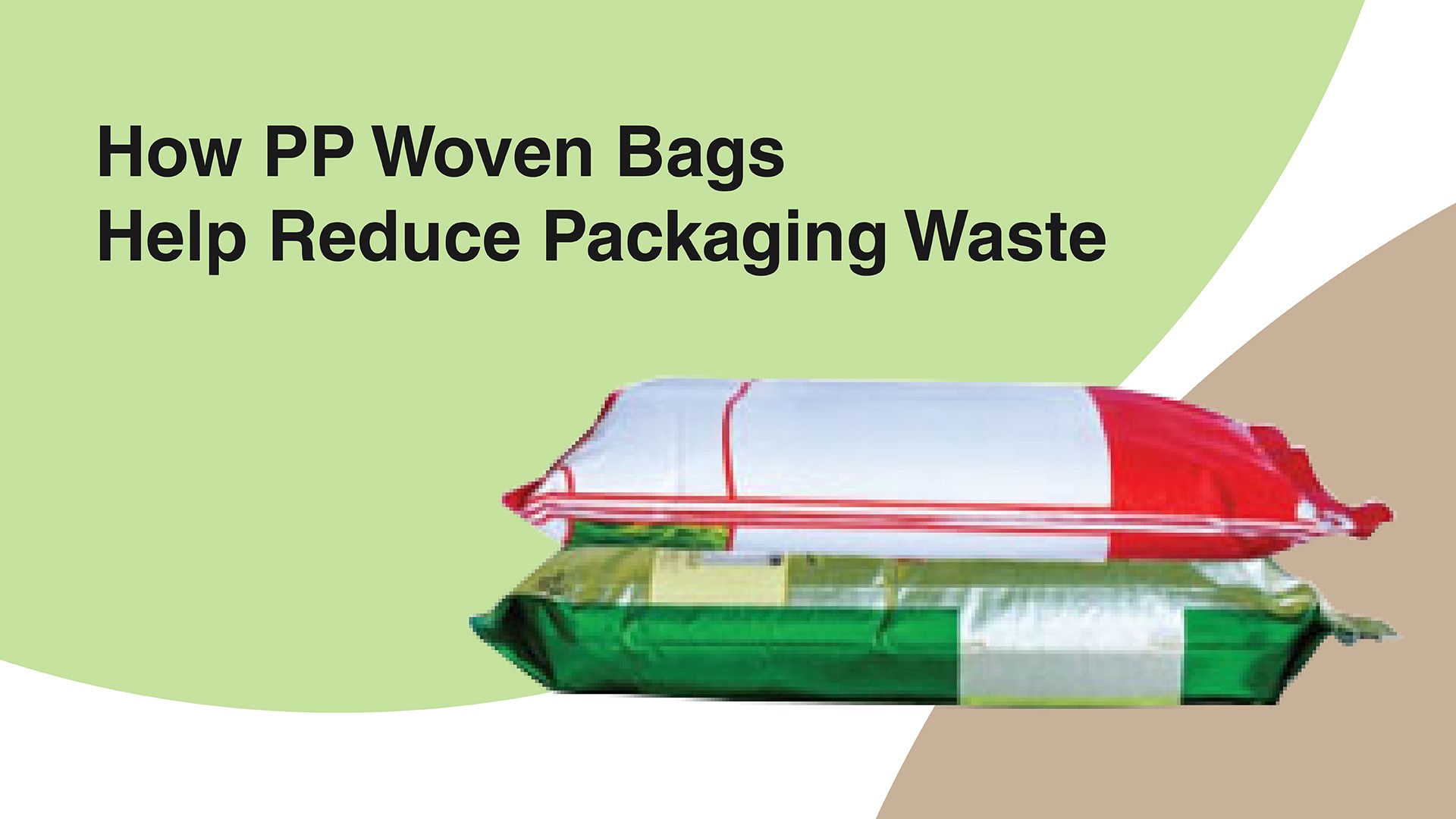
Polypropylene packaging bags sit at the centre of everyday bulk packing, from farm produce and cement to retail goods in transit. The green value of any bag comes from what it prevents and what it saves, less material per pack, fewer bag failures, less spillage, and an easier path for collection after use. Polypropylene bags help on all four fronts because the woven build stays strong at low weight, holds its shape under load, and fits into common polypropylene recycling routes where collection systems exist. Pashupati Group manufactures PP woven packaging bags with controlled weaving, consistent stitching, and specs matched to real handling conditions.
Lightweight Strength that Reduces Transport Footprint
Polypropylene woven fabric can carry heavy loads while keeping the overall bag weight modest. Lighter packaging cuts fuel use per tonne moved, with the benefit growing on bulk routes that involve frequent loading and unloading cycles. A stable stack uses truck and container space better, so more product moves per run. When shipping volumes stay high, even small weight trims per bag start to matter across repeated dispatch cycles, cutting material use and the energy tied to moving packaging around.
Long Service Life that Supports Reuse
Service life matters as much as material choice. PP woven packaging bags handle rough use during filling, closing, pallet work, and day to day movement. The fabric holds together under scuffing and sharp contact, and the weave stays steady so stacks stay upright, with fewer slumps and fewer spills. Many sectors also run secondary-use cycles when collection and inspection systems exist, and product standards allow. Reuse extends the value per bag and reduces the pace of new bag consumption across the supply chain.
Protection that Reduces Product Loss
Environmental impact increases when the packed product gets damaged, contaminated, or spilt. A failed bag can trigger repacking, additional wrapping, extra transport and product waste. Polypropylene bags can be made to manage moisture, allow the right level of airflow, and stay secure at the seams, based on what the packed material needs and how long it stays in storage. For grains, seeds, fertilisers, and powders, that steady performance helps keep quality intact through storage, transport, and unloading. Better protection reduces waste at the product level and across the supply chain.
Recyclability Through Established Polypropylene Streams
Polypropylene is a widely recognised polymer in mechanical recycling. When polypropylene packaging bags are collected in a reasonably clean condition and sorted with similar materials, recycling becomes practical. Woven fabric can enter mechanical recycling, where it is cut into flakes, cleaned, and remelted into pellets. These pellets often go into crates, bins, industrial parts, and automotive components. Cleaner, well-sorted material streams support higher recovery rates and stronger recycled material quality.
Design Choices that Support Circular Recovery
Recovery improves when bag construction stays aligned with compatible inputs. PP woven packaging bags can be designed so that the fabric body, stitching and functional elements fit polypropylene-based recycling streams. When extra performance is required, selecting compatible layers supports smoother processing at recycling facilities. Clear labelling on outer packs and bale tags helps sorting teams quickly identify material type, improving segregation at collection points and reducing contamination of recovered material.
Optimised Engineering that Reduces Resin Use
Eco-friendly packaging focuses on using the right fabric spec for the load. Tape width, denier, weave density and fabric GSM can be tuned to match safe working requirements with precision. Correct spec selection helps reduce overbuilding and keeps resin use efficient. Reinforced hems, balanced bag dimensions, and robust bottom construction also support better performance under real-world handling stress. Lower failure rates reduce waste in transit and reduce the need for replacement packaging during distribution.
Manufacturing Discipline that Reduces Scrap and Energy per Bag
Sustainability also depends on efficient conversion. PP bag manufacturing involves extrusion, tape stretching, weaving, cutting and stitching, with each step affecting scrap rates and consistency. Tight process control reduces rework and lowers off-spec output, limiting wasted resin and energy per finished bag. Efficient line performance also supports better batch stability, which reduces supply chain disruptions and urgent remake cycles. Pashupati Group focuses on stable production standards that support efficient conversion and consistent output.
Handling Friendly Design that Reduces Secondary Materials
Operational efficiency can support sustainability by reducing spillage and improving pallet stability. Well-planned bag geometry, reliable closures and consistent weaving support faster loading and cleaner movement in factories and warehouses. Anti-slip solutions and accurate dimensions improve stacking, reducing reliance on additional securing materials during transport. Cleaner handling also reduces cleanup effort at packing lines, supporting lower resource use across daily operations.
End of Life Readiness Through Practical Collection
A responsible bag design also considers what happens after emptying. Woven polypropylene bags pack down flat, store neatly, and bundle easily, which makes collection simpler across warehouses, farms, and work sites. When recyclers and collection partners are in the loop, used bags move into a usable polypropylene stream instead of sitting loose or getting mixed with unsuitable waste. Clear sorting cues, clean storage, and simple identification on bales help keep the recovery stream reliable and circular use moving forward.
A Practical Sustainability Case for Modern Bulk Packaging
Eco-friendly results rely on innovative design, consistent production standards, and practical recovery after use. Polypropylene bags offer lightweight strength, extended wear, strong product protection, and a wide fit, supported by established polypropylene recycling systems. This combination promotes responsible packaging outcomes across multiple industries. PP woven packaging bags produced with consistent specs help reduce operational waste and support stronger recovery after use. Pashupati Group continues to advance bag engineering and the manufacturing discipline that supports responsible packaging goals.
RECENT BLOGS